Glogpost 1
Friday, January 31, 2025
Tonight I was exploring the Romanian region of Moldavia—not to be confused with Moldova the country, which is located within historical Moldavia (don’t worry, there won’t be a quiz).
In the north lies the city of Iasi, Romania, which had served as the cultural hub for Moldavia. It has a deep Jewish heritage; Abraham Goldfaden, dubbed “the father of Yiddish Theatre”, made his name there during the 19th century. Unlike elsewhere in Axis-occupied Europe, the city’s Jewish population actually increased after WWII, though it’s since decreased following immigration to Israel. Today there is a functioning synagogue.
The city center is home to a remarkable cultural palace, resembling the Hungarian parliament. I also noticed an infrastructure project carving a new road through a hill, connecting a lower-elevation neighborhood to the city center. There is also a university here. It seems clean. I like Iasi.
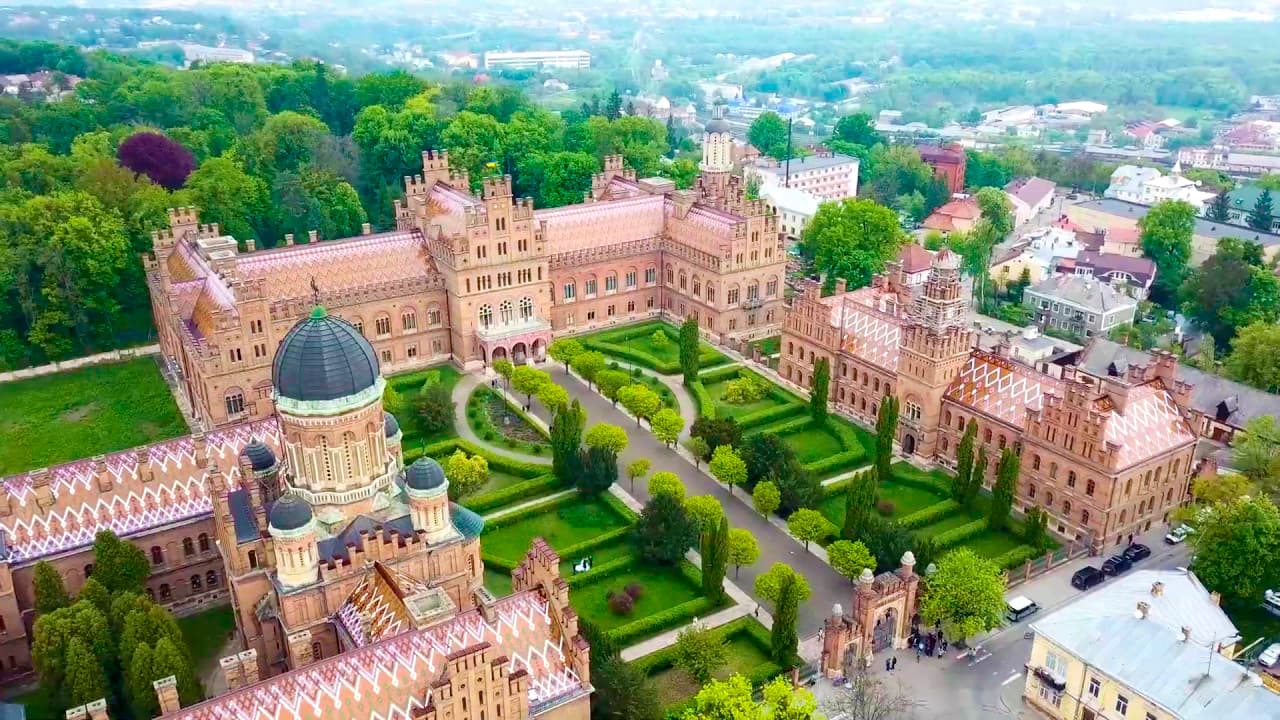
Moving north of Iasi we find ourselves on the streets of Chernivtsi, Ukraine. It is the main urban center of the region of Bukovina, shared between Romania and Ukraine. Chernivtsi (also known as Czernowitz in German) was part of the Austro-Hungarian empire, serving as as a cultural hub on the empire’s eastern edge, earning the title of “Little Vienna.” This history is reflected in the 18th-19th century architectural gems lining the winding streets, gracing every corner. The train station, the town squares, the Armenian church; pretty much any building. There are cultural houses for the city’s many ethnic groups, including Polish, German, and Jewish. Most impressive is the Chernivtsi National University, designed and funded by Czech philanthropist Josef Hlavka in the late 19th century. It is a medley of architectural styles, from Byzantine to Romanesque, reflecting the diverse populations and rich history of the region.